
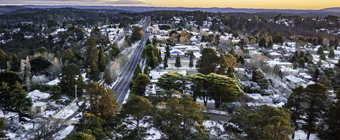
Most exterior paints are designed to be applied within a temperature range of approximately 10°C to 30°C. Below this range, paint can become too thick, slow to dry and fail to cure properly, increasing the risk of poor adhesion and early breakdown. In colder mountain mornings, surfaces can remain below the recommended threshold even if the daytime forecast appears suitable.
At higher temperatures—typically above 30°C to 35°C—paint may dry too quickly on the surface. This can lead to brush marks, poor levelling, reduced adhesion and a weaker protective film. Direct sunlight on walls can also significantly increase surface temperature beyond ambient air readings.
Windy conditions are common in exposed mountain areas. Wind not only accelerates surface drying but can also carry dust, seeds, leaves and pollen that settle into wet paint. This compromises finish quality and can create a rough or contaminated surface that is difficult to correct once cured.
High humidity, fog and damp mornings are frequent in the Blue Mountains. Moisture slows drying times and can trap water beneath the paint film, leading to bubbling, blistering or premature peeling. Exterior painting must be carefully scheduled to allow surfaces to fully dry before coating begins.
Cold conditions extend drying and curing times significantly. In winter, dew and frost can form overnight and reintroduce moisture to freshly painted surfaces, impacting adhesion and durability.
Because of these variables, professional painting in the Blue Mountains relies heavily on timing. Projects are often adjusted daily to suit temperature windows, wind conditions and moisture levels. Painting at the right time ensures coatings cure properly, bond effectively and deliver long-term protection.
In a climate as variable as the Blue Mountains, success is not just about skill—it’s about knowing when not to paint as much as when to proceed.
Meeting in person with the actual painter is the best way to make an informed decision and have your questions answered by an accredited industry expert. All work undertaken by Paint or Paper is in accordance with the specifications for painting in Australian Consumer Laws.