

Painting a heritage or period home requires more consideration than simply choosing a colour and applying a new coat of paint. Older homes often contain architectural details, traditional materials, established paint finishes and decorative features that contribute to the character of the property. Heritage House Painting Blue Mountains is therefore about more than achieving a fresh appearance — it is about understanding the building, preparing its surfaces carefully and selecting an appropriate approach to protect and enhance its character.
The Blue Mountains is home to many older houses, cottages and distinctive period properties. Katoomba, Leura, Blackheath and surrounding towns contain homes reflecting different periods of Australian architecture, including Federation, Victorian, weatherboard and early twentieth-century styles. Each property can have its own combination of timberwork, trims, verandahs, windows, doors and decorative details that deserve careful consideration when painting.
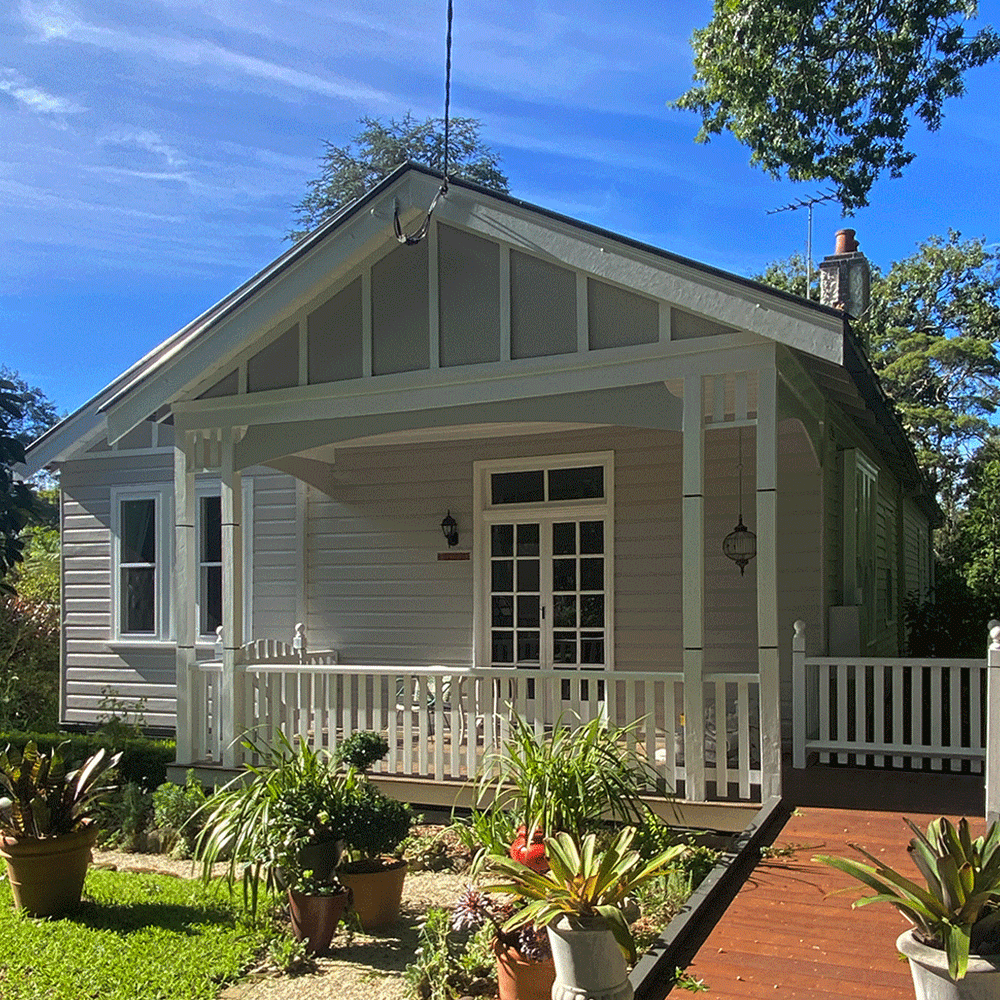
One of the first considerations when painting an older home is understanding what gives the property its character. Decorative timberwork, window frames, fretwork, verandah posts, weatherboards, gables and other architectural details can be important elements of the overall appearance.
A common mistake with older homes is to treat every surface in exactly the same way. A heritage property can benefit from a more considered approach, where different architectural elements are assessed individually and the colour scheme is used to highlight rather than conceal the character of the building.
Colour can be particularly important. Traditional colour schemes can help emphasise architectural details and complement the period of a property, while carefully chosen contemporary colours can also work when they are sympathetic to the building and its surroundings. NSW heritage guidance recommends considering the period and style of a building and, where appropriate, using evidence such as earlier paint schemes or historic photographs when determining colours.
Preparation is one of the most important parts of painting an older home.
Over many decades, a surface may have accumulated several layers of paint. Some areas may be sound, while other sections may be chalking, peeling, cracking or failing. Timber may have weathered differently depending on its exposure to sun, rain and moisture.
The answer is not necessarily to remove every existing layer of paint. Where earlier paint layers are sound and contribute to the history of the property, unnecessary removal can cause damage or remove information about previous finishes. NSW heritage guidance recommends minimising intervention and disturbing earlier significant paint layers as little as possible.
Preparation may instead involve carefully removing loose or failed coatings, sanding appropriate areas, repairing damaged timber, filling imperfections, cleaning surfaces and selecting a suitable primer or sealer before the finishing coats are applied.
This is particularly important on older weatherboard homes, where timber can deteriorate if moisture is able to enter damaged or inadequately protected areas.
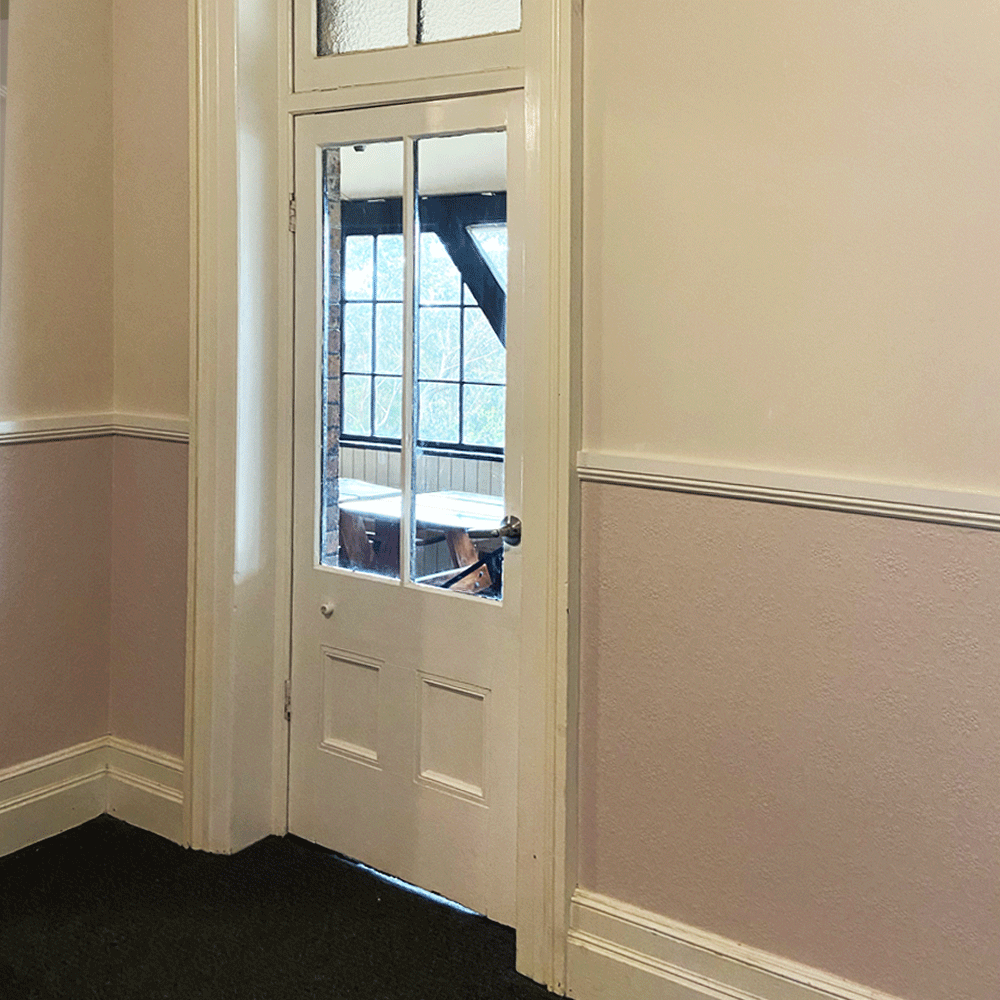
There is no single paint system suitable for every heritage property.
The age and construction of the building, the existing coating, the substrate and the property's exposure to the Blue Mountains climate can all influence the preparation and products required.
Bare or weathered timber may require a suitable timber primer, while previously painted surfaces may require an adhesion primer or another specialised preparation system. Staining, tannin bleed, water marks and other problems may require stain-blocking products before the final coats are applied.
The choice of coating can also be important. Heritage guidance for NSW State Heritage Register items states that new paint should be appropriate to the substrate and that significant fabric should be protected during preparation and repainting.
For this reason, painting an older home should begin with an assessment of the existing surfaces rather than simply selecting a colour and starting to paint.
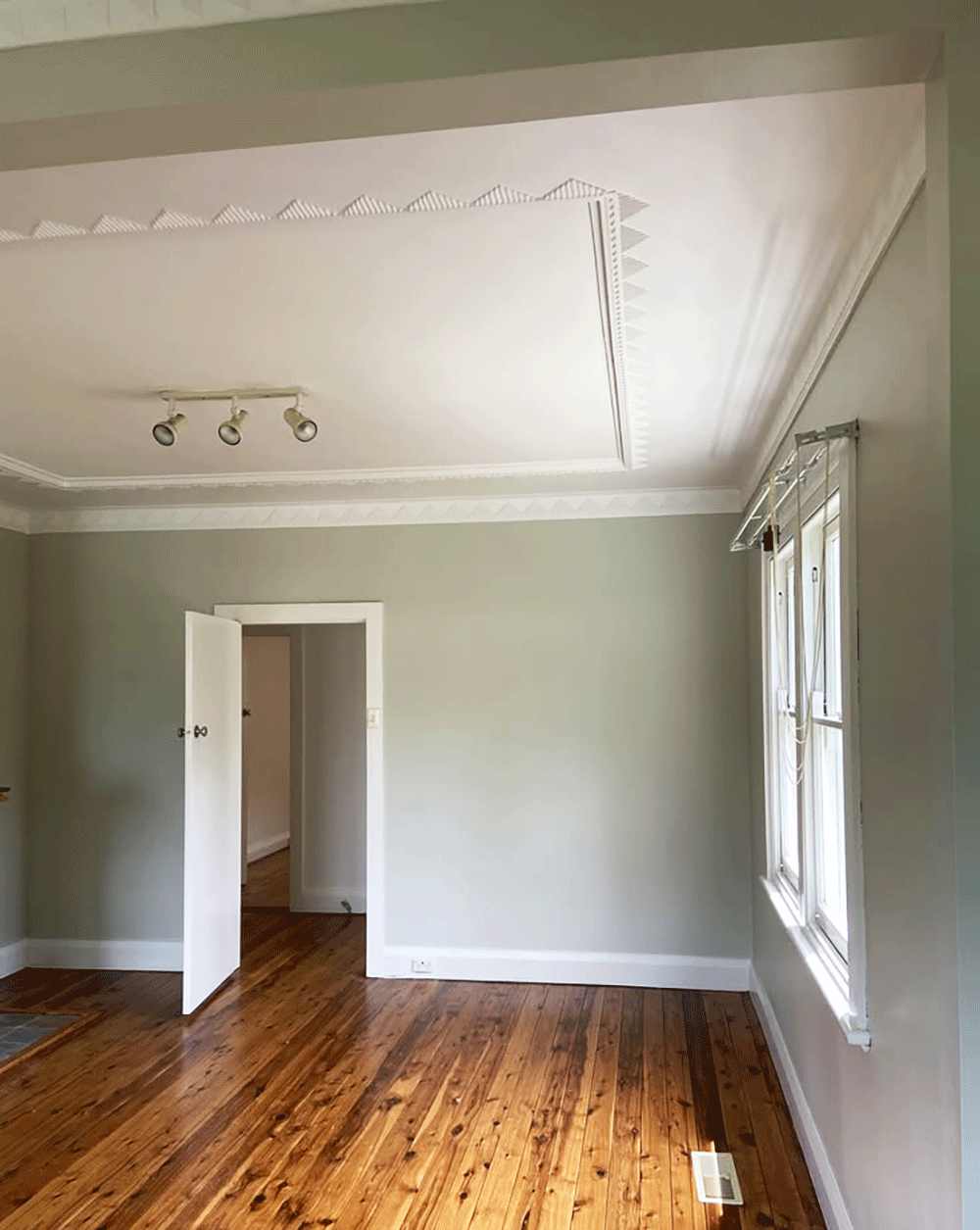
One of the pleasures of painting an older home is bringing its architectural details back to life.
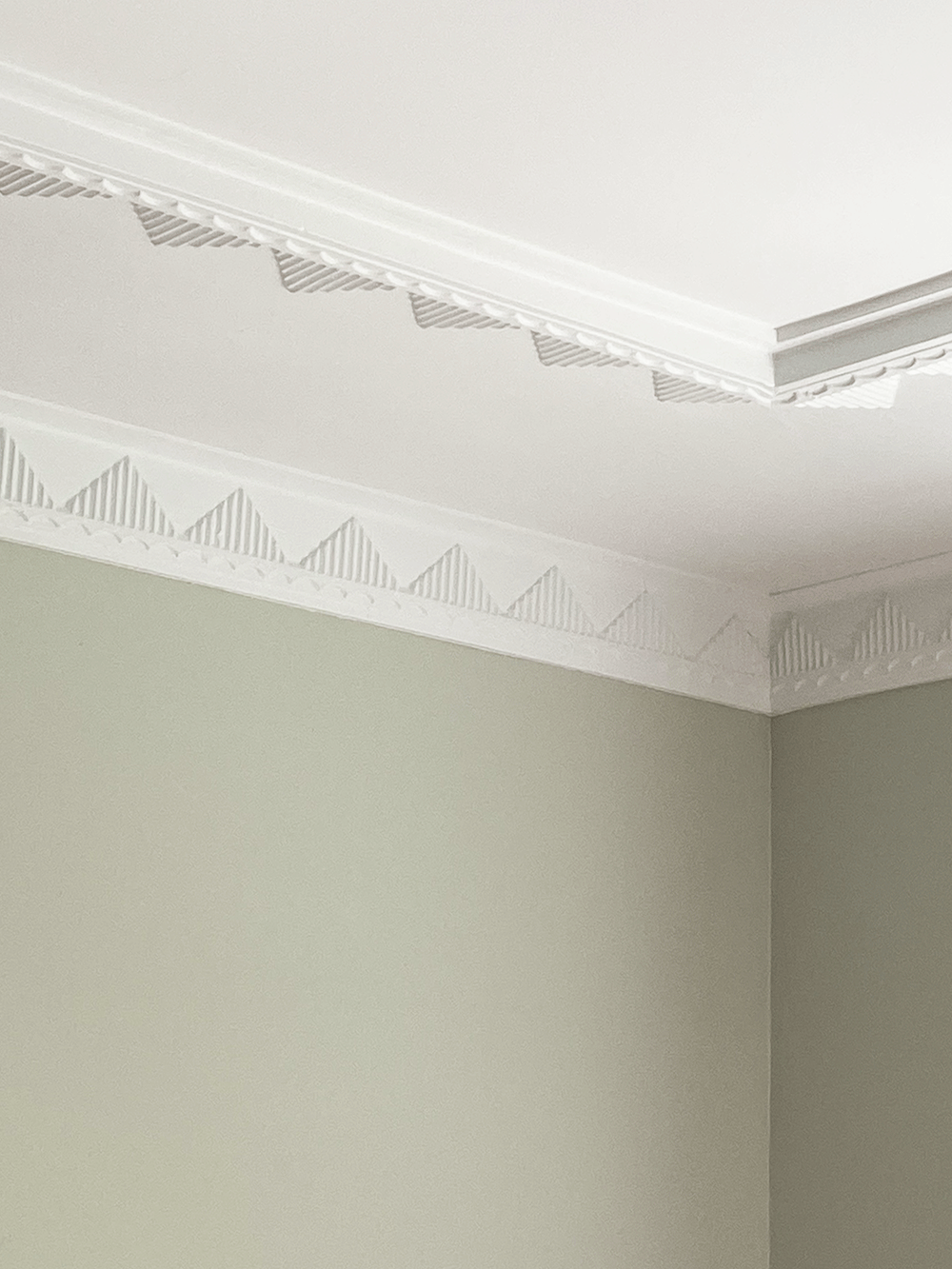
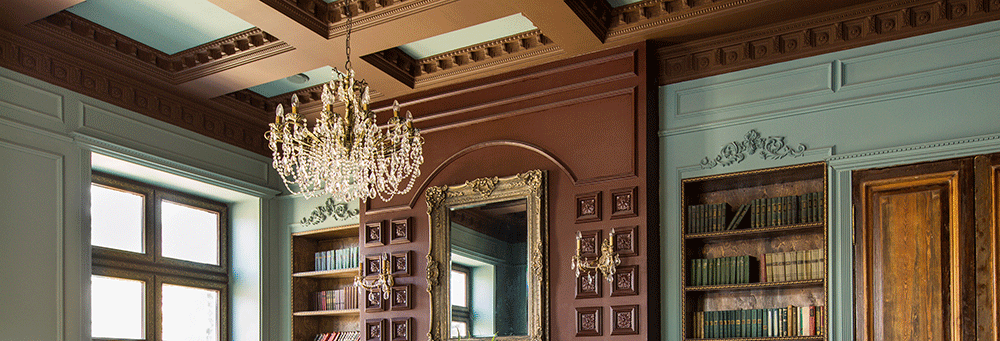
Windows, doors, architraves, fretwork, timber mouldings, verandahs, fascia boards and decorative trims can all contribute to the character of a period property. A thoughtful colour scheme can distinguish these elements and give the home depth without making the overall appearance unnecessarily complicated.
Small details can make a considerable difference. The relationship between the main wall colour, trims, windows, doors and other features should be considered as part of the overall scheme.
Rather than simply making an old house look new, the objective can be to make it look well cared for while retaining the qualities that make it distinctive.

There is sometimes an assumption that a heritage home must be painted in a particular set of dark or muted colours. In reality, heritage colour schemes can be much more varied.
Traditional schemes were influenced by the period, location, available pigments and the architectural style of the property. Research into previous colour schemes, old photographs and paint evidence can sometimes provide useful information when determining an appropriate palette.
For some properties, faithfully recreating an earlier scheme may be appropriate. For others, the owners may prefer a more contemporary interpretation that remains sympathetic to the home's architecture.
The important consideration is that the colour scheme should work with the building rather than overpowering its original character.
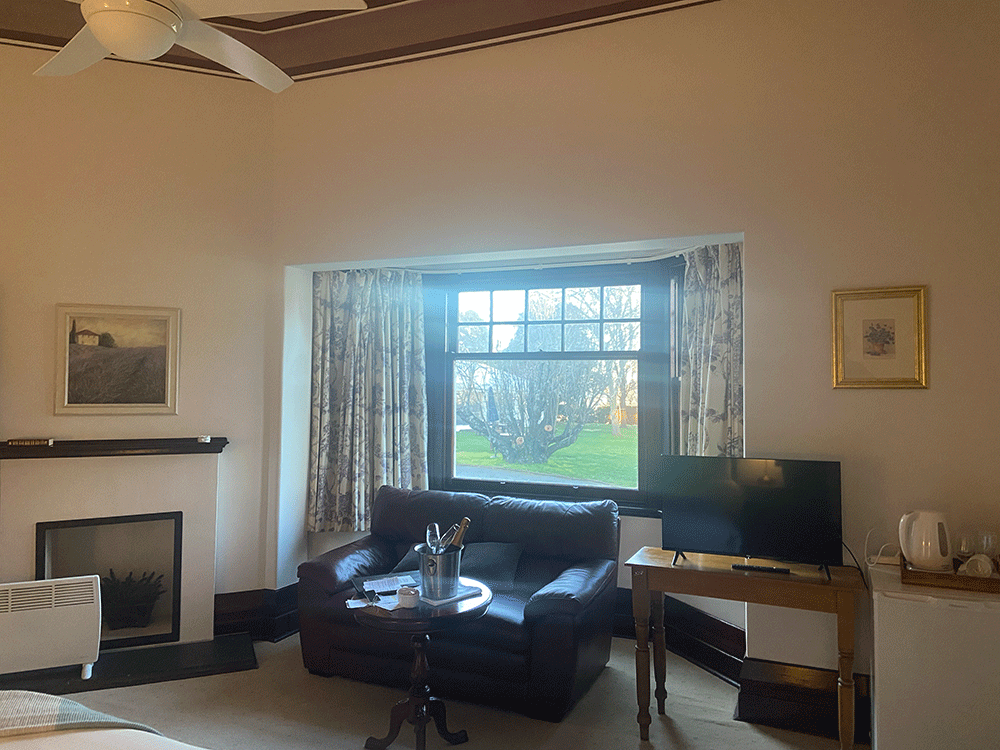
Blue Mountains homes also have to contend with a particularly variable environment. Cold temperatures, moisture, rainfall, strong sunlight and seasonal changes can all place demands on exterior paintwork.
This makes preparation especially important on exposed timber and weatherboard homes. Painting should not simply be viewed as a cosmetic exercise. A properly prepared and maintained coating can form an important part of protecting painted surfaces from the elements.
Regular inspection can also help identify early signs of failing paint, deteriorating timber, moisture problems and areas requiring attention before more extensive repairs become necessary.
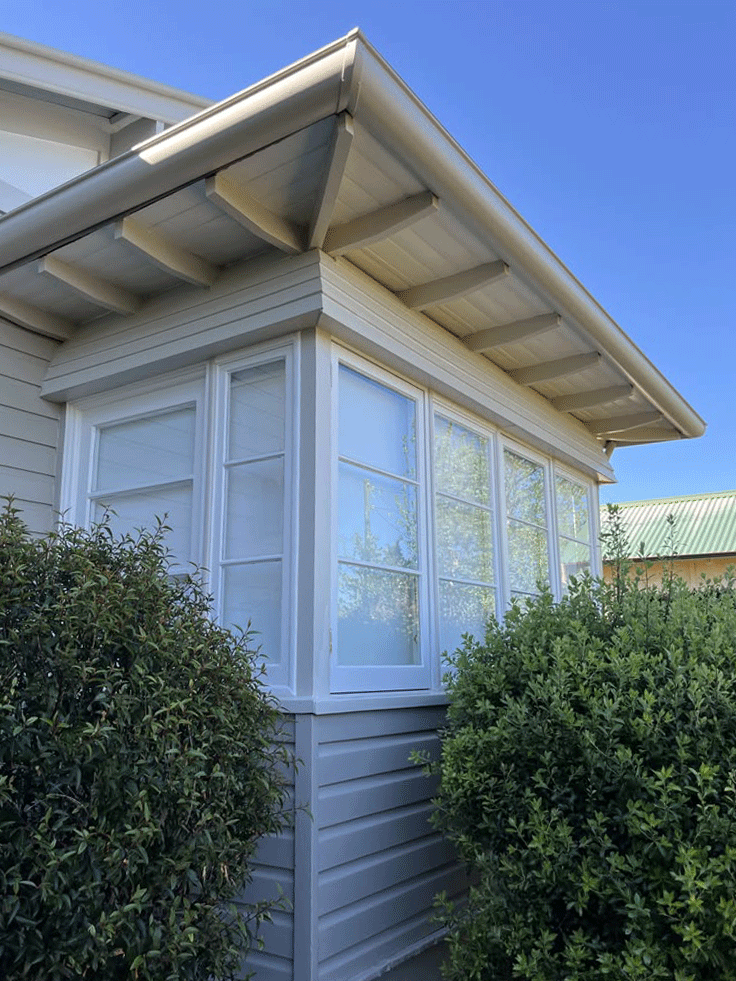
Heritage house painting is ultimately about finding the right balance between preservation, protection and appearance.
The most successful results generally begin with understanding the property before work starts. What materials have been used? Which surfaces are original? What condition are they in? What previous coatings are present? Which architectural details should be emphasised? Is there evidence of an earlier colour scheme? And what preparation and paint system is appropriate for each surface?
For owners of heritage and period homes, these considerations can make the difference between simply repainting an old house and giving the property a carefully considered finish that respects its character.
At Paint or Paper, heritage and period homes are approached with an appreciation for the details that make older properties distinctive. From weatherboards and timber trims to windows, doors and interior features, each surface can require its own preparation and consideration.
Heritage House Painting Blue Mountains is not simply about putting new paint on an old home. It is about understanding what is already there, protecting what is important and creating a beautiful, durable finish that complements the character of the property.
Weather Board Painting in the Blue Mountains →
Heritage House Painters Katoomba →
The Affordable Painters Blue Mountains→