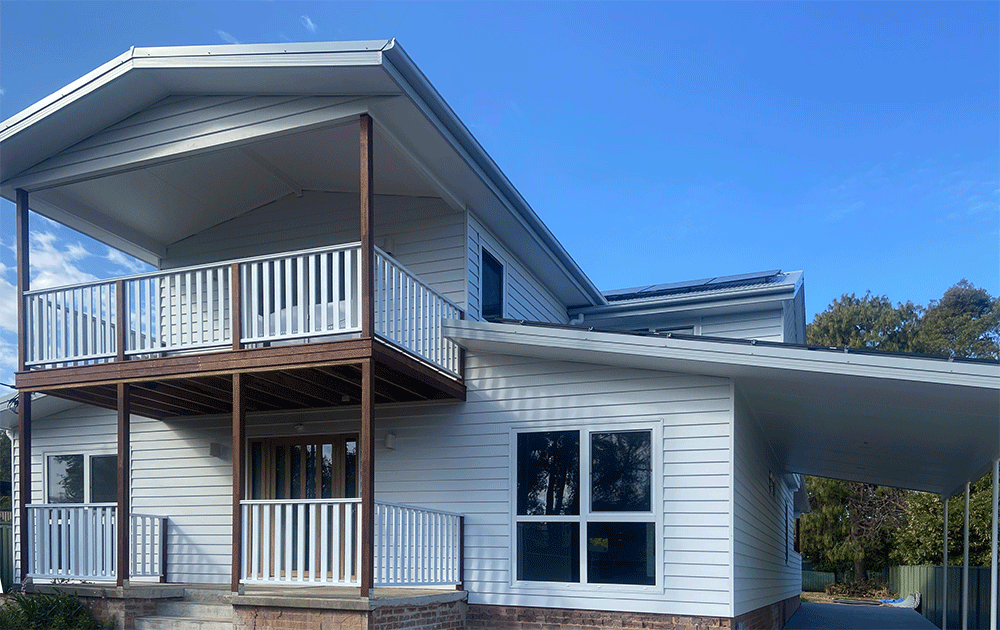


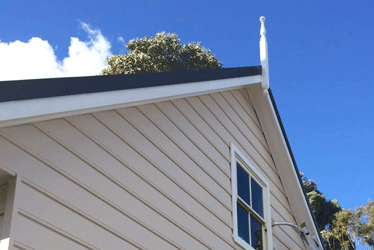
Weatherboard homes are a defining feature of many properties throughout the Blue Mountains. Their timeless appeal, natural character, and suitability for Australia's varied climate make them a popular choice for homeowners. However, weatherboards require regular maintenance to remain attractive and protected from the elements. One of the most important aspects of that maintenance is repainting.
The unique environmental conditions of the Blue Mountains, including high rainfall, strong UV exposure, fluctuating temperatures, frost, and occasional bushfire-related smoke and debris, can significantly impact the lifespan of exterior paint. Understanding how to identify when weatherboards need repainting and how often repainting should occur can help homeowners preserve both the appearance and structural integrity of their property.
Our Exterior Painting Services→
How to Identify Mould, Algae & Lichen on Weatherboards →
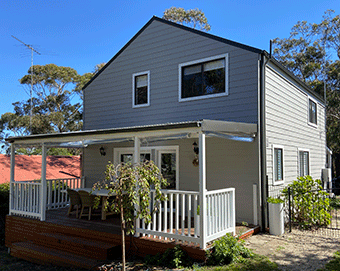
Paint serves a much greater purpose than simply improving a home's appearance. It acts as a protective barrier that shields timber weatherboards from moisture, sunlight, mould, and pests. When paint begins to deteriorate, the timber underneath becomes vulnerable to damage. Moisture penetration can lead to swelling, warping, rot, and fungal growth, while prolonged UV exposure can dry out timber and cause cracking. Regular repainting helps prevent these issues, extending the lifespan of the weatherboards and reducing the likelihood of costly repairs. In the Blue Mountains, where weather conditions can be particularly harsh, maintaining a quality paint coating is essential for protecting the home's exterior.
What Conditions Affect Exterior Painting? →
Read About the 4 Coat Blue Mountains Painting System We Insist Upon →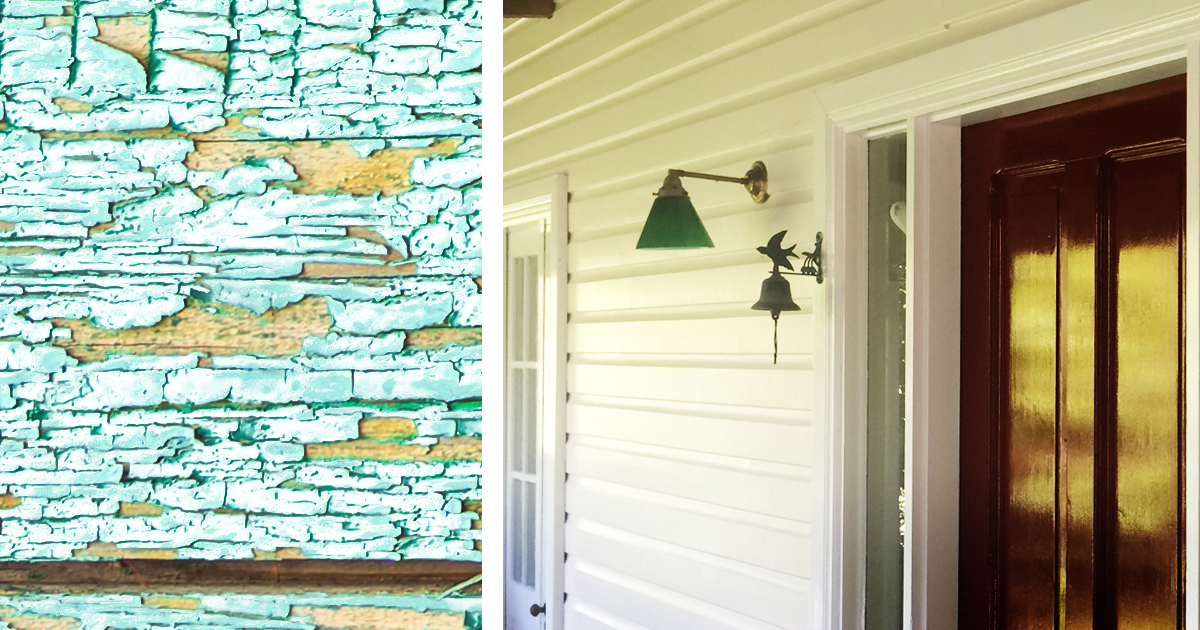
Many homeowners wait until paint is visibly peeling before considering repainting. However, there are several earlier warning signs that indicate the protective coating is beginning to fail.
One of the first signs that repainting may be required is noticeable fading. Strong ultraviolet rays gradually break down paint pigments, causing colours to lose their vibrancy. Dark colours are especially prone to fading, while lighter shades may develop an uneven or washed-out appearance. Although fading is primarily an aesthetic issue, it often indicates that the paint's protective qualities are also declining.
Peeling paint is one of the clearest indicators that weatherboards need attention. When paint loses adhesion to the surface, it can peel away in sheets or small flakes. Cracking paint is another warning sign. Fine hairline cracks may appear initially, but these can widen over time and allow moisture to reach the timber underneath. Once peeling or cracking becomes evident, repainting should not be delayed.
If you run your hand along a painted weatherboard and notice a powdery residue, the paint may be chalking. Chalking occurs when the paint binder breaks down due to prolonged exposure to sunlight and weather conditions. While some minor chalking is normal as paint ages, excessive chalking indicates that the coating is deteriorating and nearing the end of its useful life.
Any area where bare timber is visible should be addressed promptly. Exposed weatherboards are highly susceptible to moisture absorption, which can lead to swelling, splitting, and decay. Even small exposed patches can allow water to penetrate beneath surrounding paint layers, accelerating deterioration.
The Blue Mountains experiences periods of high rainfall and humidity, creating ideal conditions for mould, mildew, and algae growth. While these issues can sometimes be cleaned from the surface, recurring growth may indicate that the paint coating is failing or that moisture is becoming trapped within the weatherboards. Repainting with appropriate preparation and quality exterior coatings can help prevent future growth.
Paint bubbles or blisters often occur when moisture becomes trapped beneath the paint film. This can result from water ingress, poor surface preparation, or excessive heat exposure. Blistering is a sign that the coating is no longer performing effectively and may require complete removal and repainting.
Weatherboards naturally expand and contract as temperatures and moisture levels change. Over time, this movement can stress paint coatings and create visible gaps, splits, or deterioration around joints and edges. If weatherboards appear weathered or damaged despite having paint coverage, a repaint may be necessary to restore protection.
The frequency of repainting depends on several factors, including the age of the home, paint quality, surface preparation, weather exposure, and maintenance practices. As a general guideline, weatherboard homes in the Blue Mountains should typically be repainted every 7 to 12 years. However, this timeframe can vary considerably depending on the specific conditions affecting the property.
Properties situated on ridgelines or elevated areas often experience stronger winds, increased UV exposure, and more severe weather conditions. These homes may require repainting every 7 to 8 years, particularly if darker paint colours are used.
Homes located in protected areas with substantial tree cover or reduced sun exposure may achieve longer paint life. In these situations, repainting intervals of 10 to 12 years may be achievable, provided the paint system was applied correctly and maintained regularly.
Many Blue Mountains homes are heritage properties or older timber dwellings. These structures often require more frequent inspections and maintenance. If previous paint coatings are failing or if timber repairs have been undertaken, repainting may be necessary sooner to maintain adequate protection.
Factors That Influence Paint Lifespan - Several factors affect how long exterior paint lasts on weatherboards.
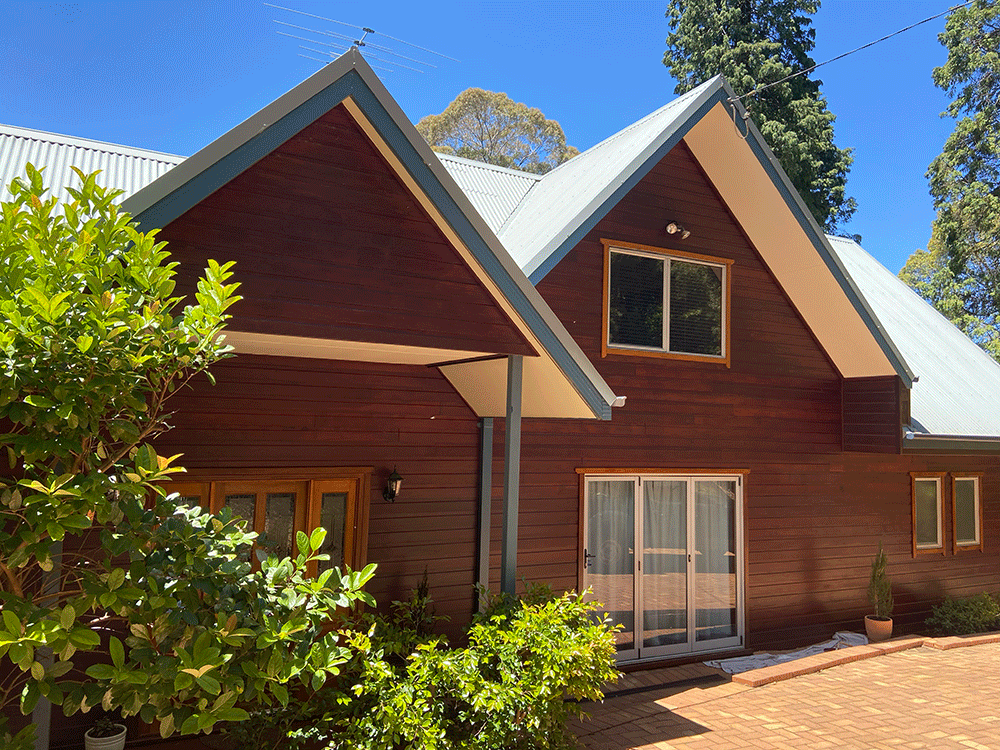
Premium exterior paints generally offer superior durability, colour retention, flexibility, and moisture resistance compared with lower-cost alternatives. Investing in high-quality paint products can significantly extend repainting intervals and improve long-term value.
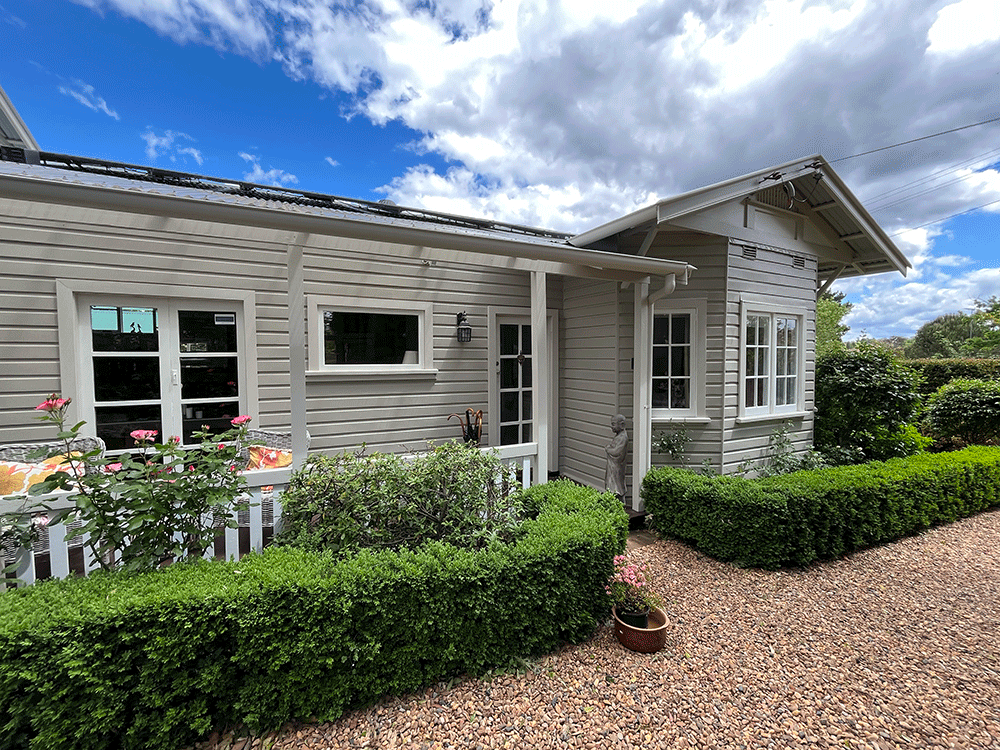
Proper preparation is often more important than the paint itself. Thorough cleaning, sanding, filling, priming, and repairing damaged areas create a strong foundation for the coating system. Poor preparation frequently leads to premature paint failure.
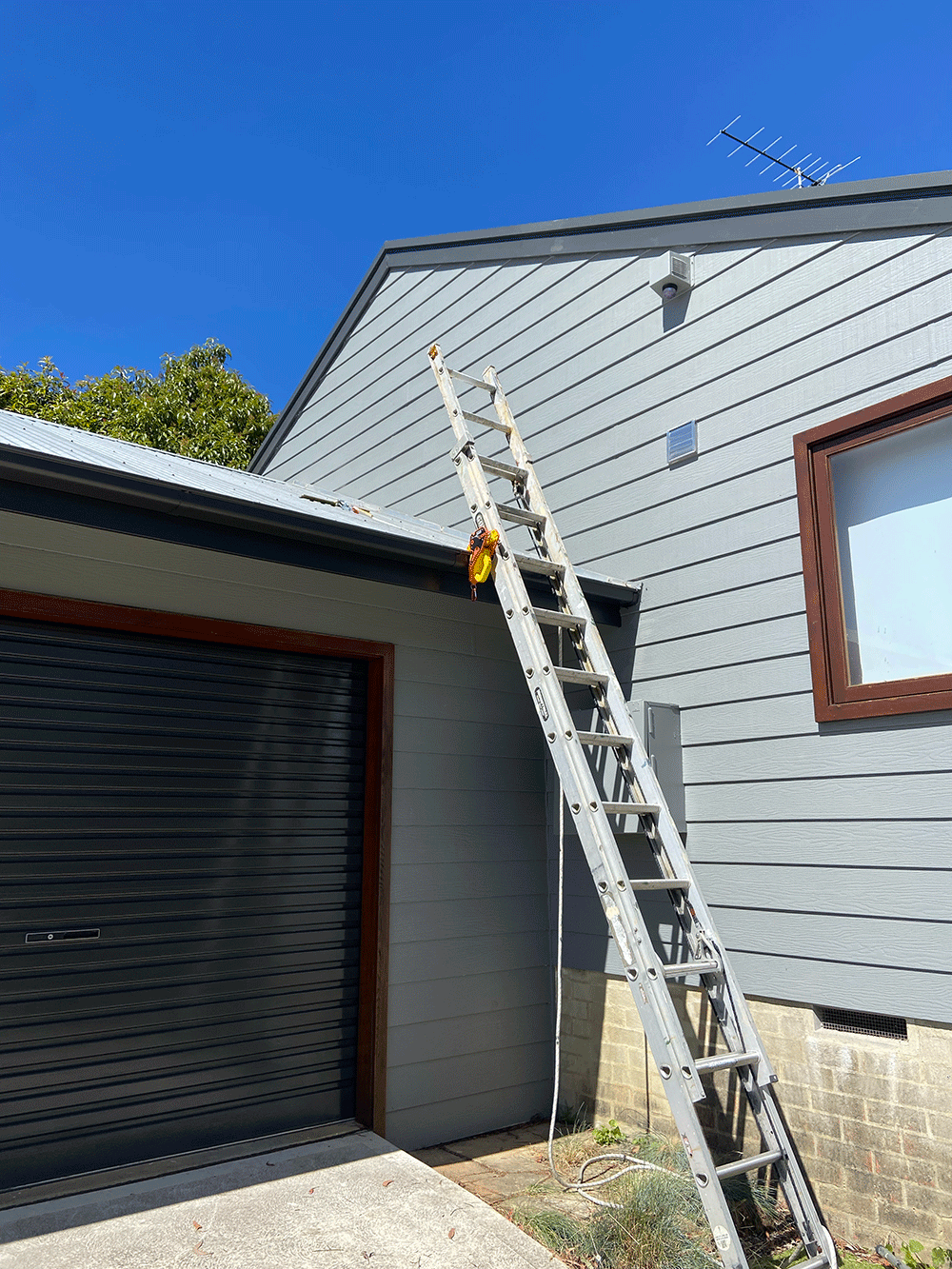
The Blue Mountains climate can be challenging for exterior coatings. Temperature fluctuations between hot summers and cold winters place continual stress on painted surfaces. Frequent rain, morning frost, and moisture from surrounding vegetation can also accelerate wear.

Dark colours absorb more heat than lighter colours, causing greater expansion and contraction of the substrate. This can reduce paint lifespan and increase maintenance requirements. Lighter colours often perform better over the long term in harsh Australian conditions.
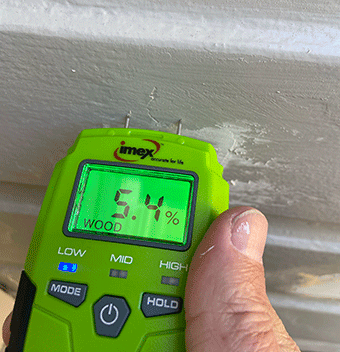
Rather than waiting for obvious signs of failure, homeowners should inspect weatherboards at least once each year.
Annual inspections allow minor issues to be identified and repaired before they develop into larger problems.
Particular attention should be paid to:
• South-facing walls that receive less sunlight
• Areas near gutters and downpipes
• Window and door frames
• Lower weatherboards close to the ground
• Sections exposed to prevailing weather
Early intervention can often extend the life of the existing paint system and delay the need for a full repaint.
Book a Weatherboard Moisture Check →
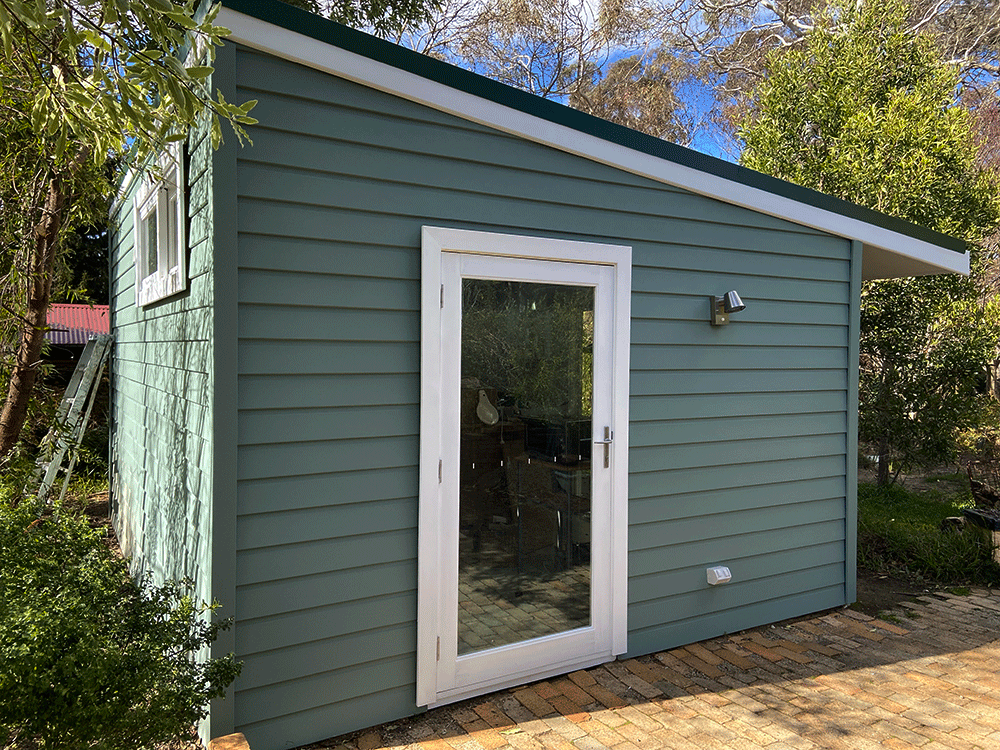
Good maintenance can significantly increase the lifespan of painted weatherboards.
Homeowners should regularly:
• Wash surfaces to remove dirt and contaminants
• Trim vegetation away from walls
• Clear gutters and downpipes
• Repair damaged caulking and sealants
• Address water leaks promptly
• Remove mould and mildew as soon as it appears
These simple steps help preserve the paint coating and reduce moisture-related issues.