


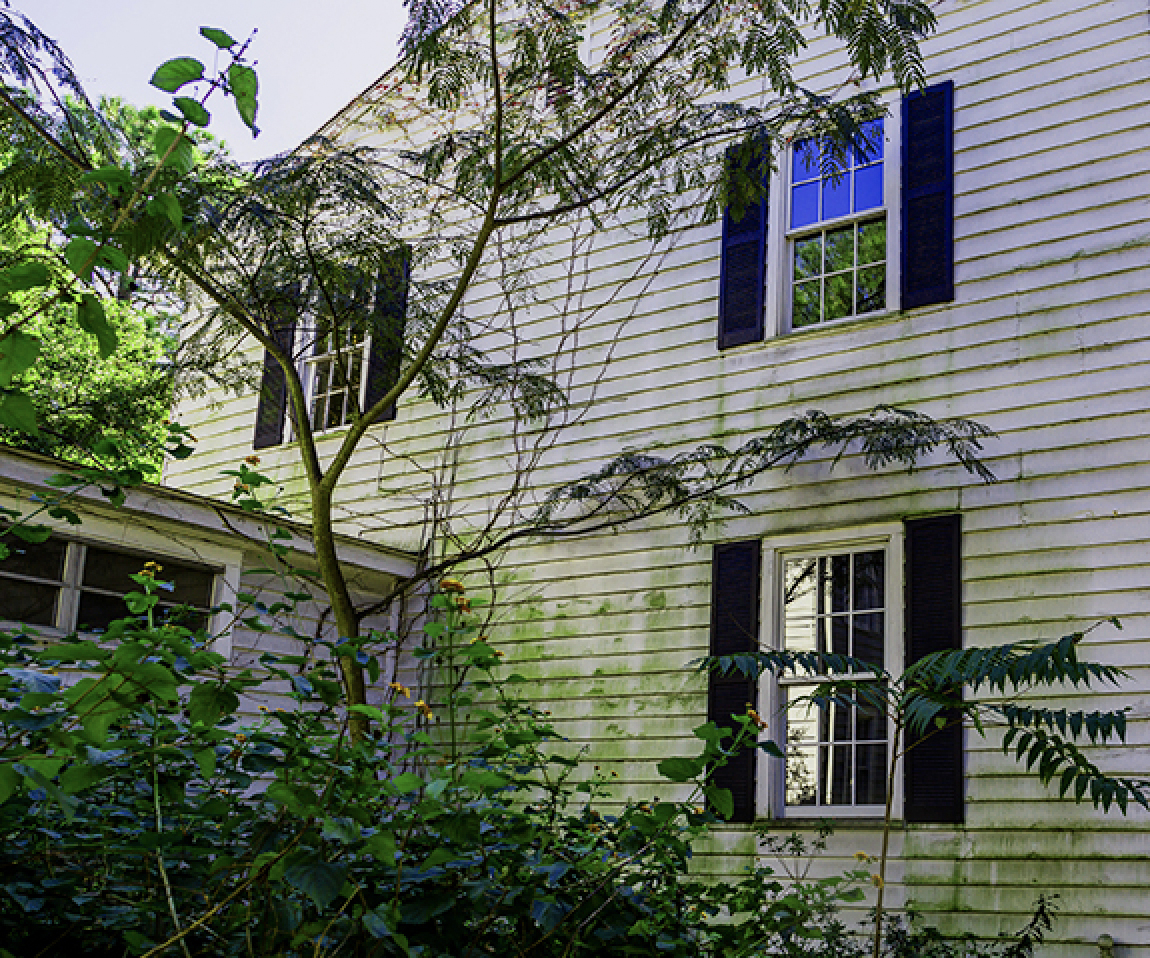
If you live in the Blue Mountains and have a weatherboard home, you may have noticed green staining appearing across the exterior of your house. It is particularly common on older weatherboards and on areas of the home that receive limited sunlight.
The green appearance is generally associated with the growth of algae, mould and other organic matter that thrives where moisture remains on the surface. The Blue Mountains climate, combined with shaded areas, surrounding vegetation and regular rainfall, can create conditions where this growth becomes particularly noticeable.
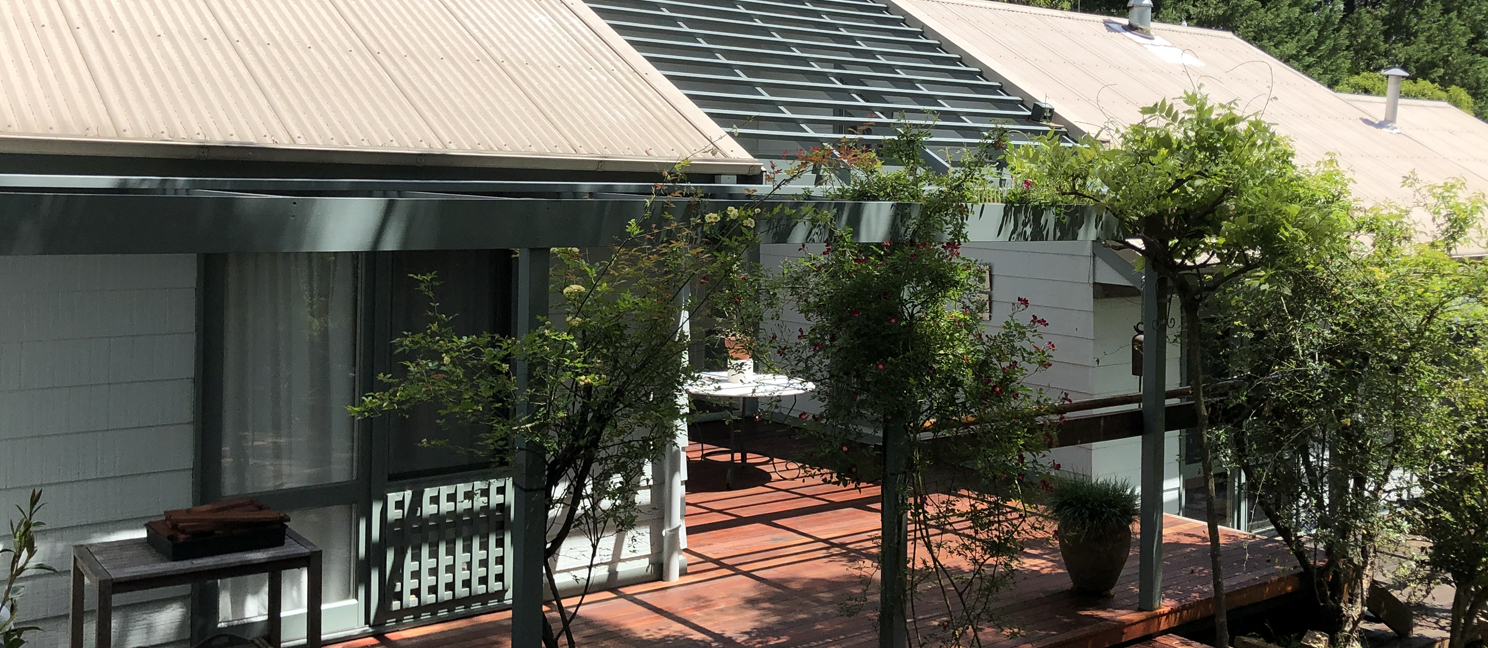
The main factor is moisture.
When weatherboards remain damp for extended periods, they provide a favourable environment for organic growth. This is why green staining is often more noticeable on the southern side of a house, underneath eaves, around gutters and downpipes, or on walls surrounded by trees and vegetation.
Unlike a wall that receives several hours of direct sunlight each day, a shaded weatherboard wall can take considerably longer to dry after rain or overnight condensation.
Once algae and mould become established, the green or dark staining can gradually spread across the surface.
In the Blue Mountains, the orientation of a house can make a noticeable difference to how quickly an exterior wall dries.
Walls that receive less direct sunlight tend to remain cooler and damp for longer. This is particularly relevant to south-facing walls, which can receive considerably less direct sunlight depending on the position of the house and surrounding trees.
This doesn't mean that every southern wall will develop green growth, but where moisture, shade and limited airflow occur together, the conditions are more favourable.
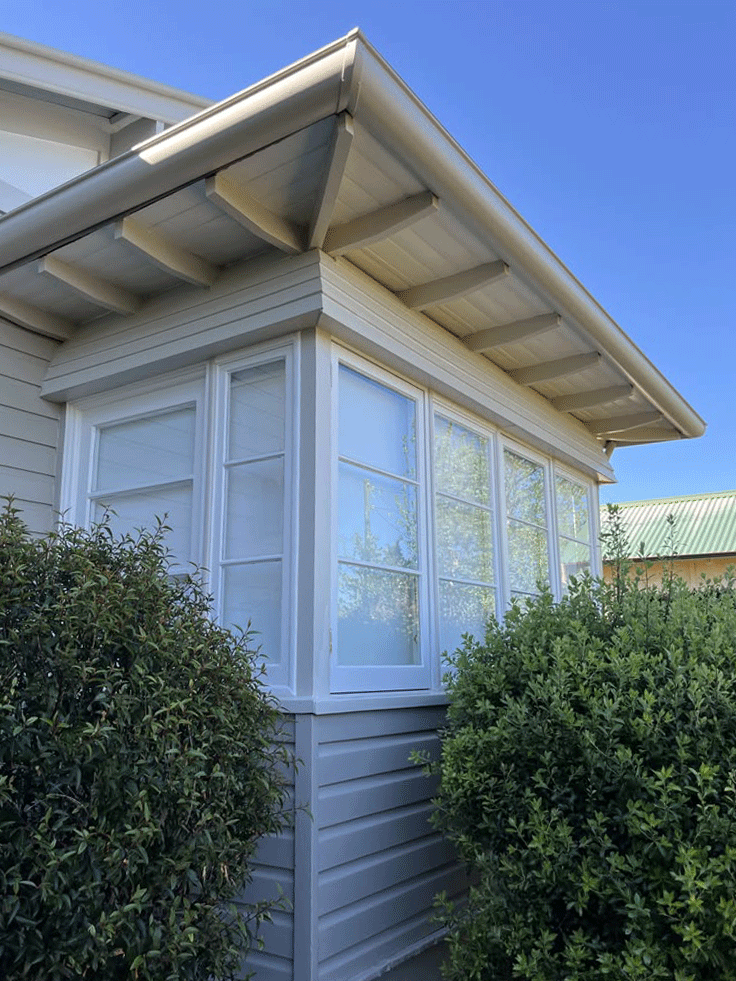
Trees are one of the great features of living in the Blue Mountains, but vegetation close to a house can also create a more humid and sheltered environment around exterior walls.
Overhanging branches can reduce sunlight and airflow, while leaves and organic debris can collect around gutters and other areas of the house. Combined with rain and moisture, this can contribute to the conditions in which mould and algae develop.
Gutters and downpipes are particularly important. Overflowing gutters or leaking downpipes can repeatedly introduce water onto weatherboards, keeping sections of the wall wetter than they should be.
Not necessarily.
Green staining can be caused by algae, mould or a combination of organic growth. In some situations, lichen may also become established on exterior surfaces.
The important point is that simply painting over the green staining is not an appropriate solution.
The surface needs to be properly assessed and cleaned before repainting. Paint manufacturers also recommend removing mould and algae and dealing with unsound existing coatings as part of exterior preparation.
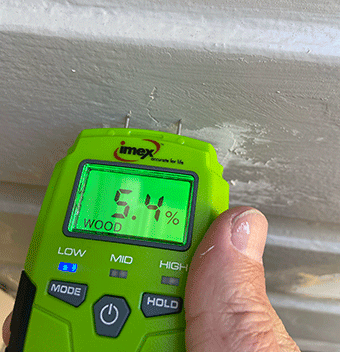
A new coat of paint can make a weatherboard house look dramatically better, but the quality and longevity of the result depends heavily on what happens before the paint is applied.
Weatherboards affected by mould, algae or accumulated dirt need appropriate preparation. Loose or failing paint also needs to be removed, and damaged areas may require repair and priming before the new coating is applied.
Simply applying fresh paint over a contaminated or failing surface can result in poor adhesion and premature deterioration.
This is why exterior painting is much more than putting a new colour on the walls. Proper preparation is an important part of achieving a durable finish.
How Often Should you Repaint Weatherboards →
The Affordable Blue Mountains Painters. Premium Painting at Affordable prices →
Blue Mountains locations including Mt Victoria, Blackheath, Katoomba, Leura and Wentworth Falls are particularly affected by mould on weatherboards. If you're located in one of these towns and concerned about your weatherboards get in touch. We'd be happy to assess your weatherboards and provide recommendations if required.
Organise a Weatherboard Inspection. It could save you thousands! →

You cannot completely eliminate the possibility of mould and algae returning, particularly in a naturally damp or heavily shaded location. However, regular maintenance can help.
Keeping gutters and downpipes functioning correctly, controlling vegetation around the house where practical, allowing airflow around exterior walls and keeping painted surfaces maintained can all help reduce the conditions that encourage organic growth.
The condition of the existing paint is also important. A properly prepared and maintained exterior coating provides protection for the weatherboards while helping the house remain easier to clean and maintain.
Green staining alone doesn't necessarily mean that a house needs to be completely repainted.
However, if the green growth is accompanied by peeling, flaking, chalking, cracking, bare timber or deteriorating paint, it may be time to consider repainting the exterior.
An experienced painter can assess the existing coating and determine whether the problem is primarily cosmetic or whether the weatherboards and paint system require more extensive preparation.
For Blue Mountains homes, this assessment can be particularly important because different parts of the same house can experience very different levels of sun, moisture and weather exposure.
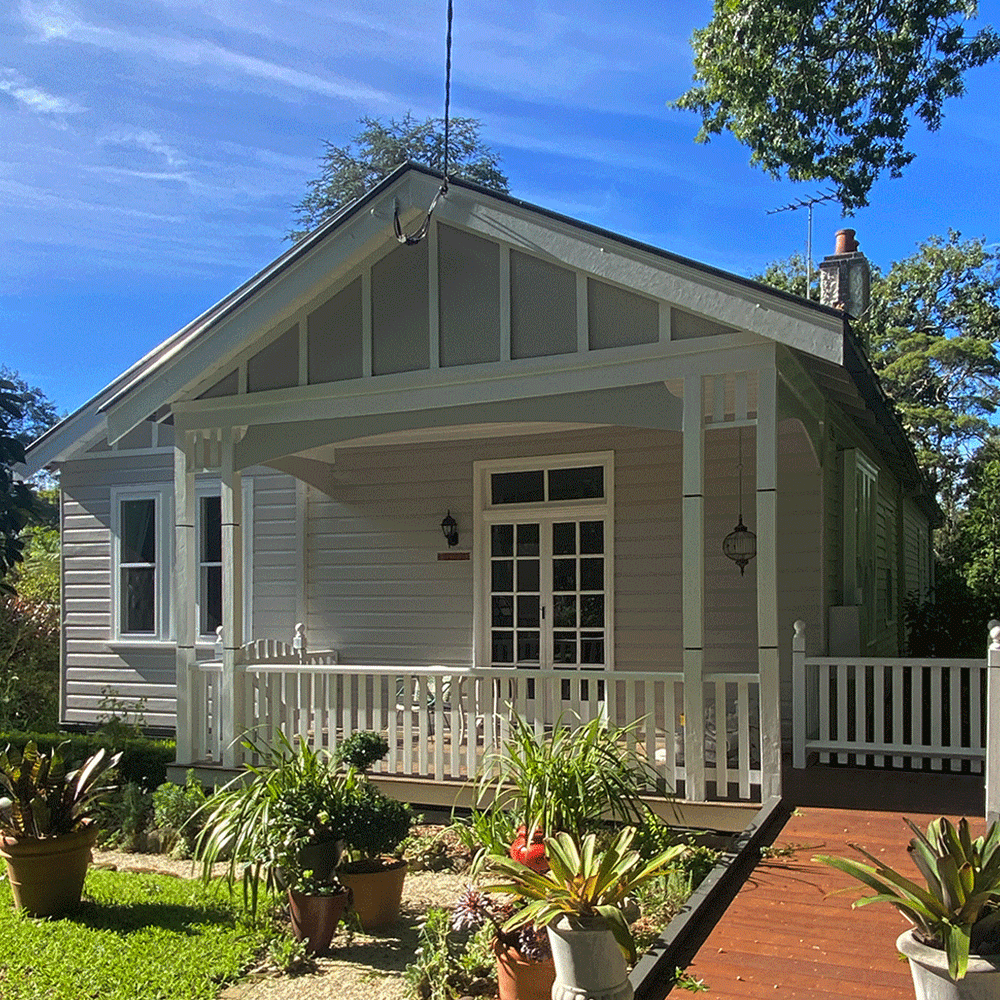
Weatherboard homes have a distinctive character and are found throughout many Blue Mountains towns, from older cottages to larger contemporary homes.
A successful exterior repaint is about more than choosing a colour. The condition of the existing weatherboards, previous paint coatings, exposure to the weather, moisture levels and the amount of preparation required all need to be considered.
At Paint or Paper, exterior painting includes the preparation required to give weatherboards the best possible foundation for a new paint finish.
If your weatherboards are becoming green, stained or weather-affected, it may be worth having the exterior assessed before deciding whether cleaning, maintenance or a complete repaint is required.
A well-maintained exterior not only improves the appearance of a home but helps protect the underlying weatherboards from the demanding Blue Mountains environment.