

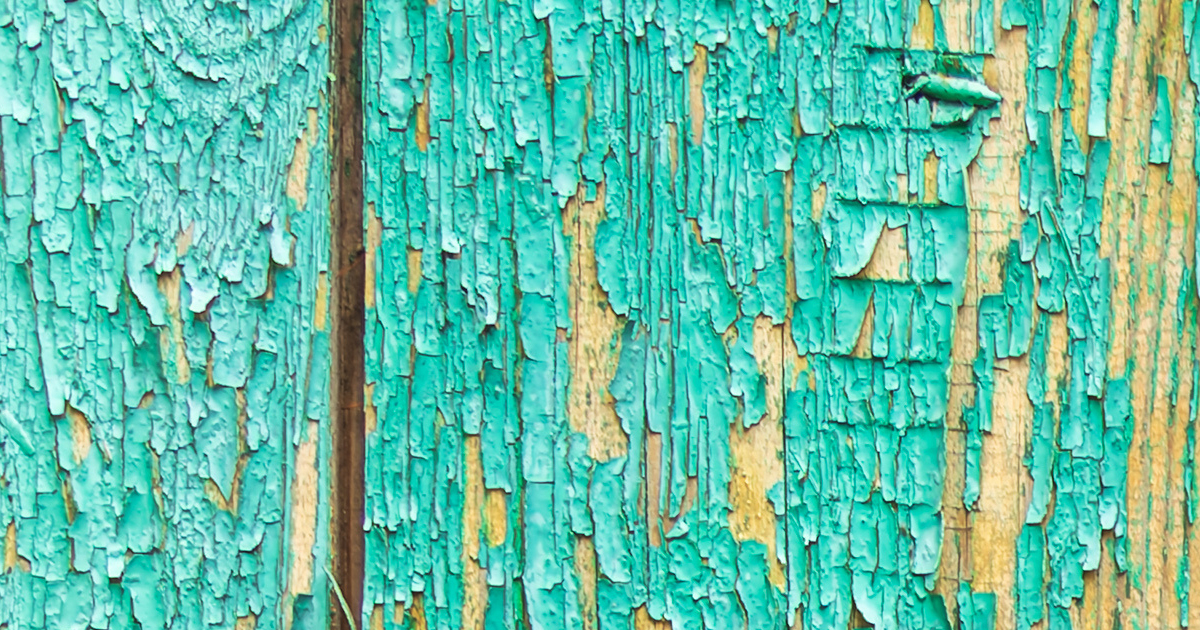
The answer is rarely simple. While poor workmanship can certainly contribute, paint failure is often the result of several factors working together over many years. The Blue Mountains presents some of the harshest conditions for exterior paint systems in Australia. The combination of extreme ultraviolet radiation, heavy rainfall, fluctuating temperatures, humidity, frost and moisture can place enormous stress on a home's protective coating.
Blue Mountains Residential Interior Painters →
The Affordable Exterior Painters Paint Or Paper→
The Blue Mountains experiences a unique climate. Homes may endure intense summer sunshine, prolonged periods of rain, cold winter mornings, heavy dew and significant daily temperature variations.
Despite cooler temperatures compared with Sydney, the Blue Mountains regularly experiences very high to extreme UV conditions. Australia already has some of the highest ultraviolet radiation levels in the world, and elevated areas such as the Mountains can experience increased UV exposure due to altitude and clearer atmospheric conditions. During summer, UV Index readings frequently reach the "Very High" to "Extreme" categories.
UV Damage and the Breakdown of Paint
Paint is designed to protect surfaces from the elements, but over time UV radiation slowly attacks the binders that hold paint together.
As the binders degrade:
• Colours begin to fade.
• Gloss levels reduce.
• The surface becomes chalky.
• The paint loses flexibility.
• Cracks begin to appear.
• Water penetration becomes more likely.
Dark colours tend to absorb more heat, increasing thermal movement and stress within the paint film. Northern and western elevations, which receive the harshest sunlight, often deteriorate more rapidly than sheltered southern aspects.
Even premium exterior paints have a finite lifespan under constant UV exposure.
The Blue Mountains receives significantly more rainfall than many parts of metropolitan Sydney. Frequent rain events, extended periods of cloud and prolonged dampness all challenge painted surfaces. Water itself does not necessarily cause paint failure. Problems arise when moisture cannot escape.
Moisture may enter through:When trapped moisture attempts to escape through a painted surface, pressure can build beneath the coating.
The result may be:
• Blistering.
• Bubbling.
• Peeling.
• Flaking.
• Delamination.
In many cases, the visible paint failure is simply a symptom of a hidden moisture issue.
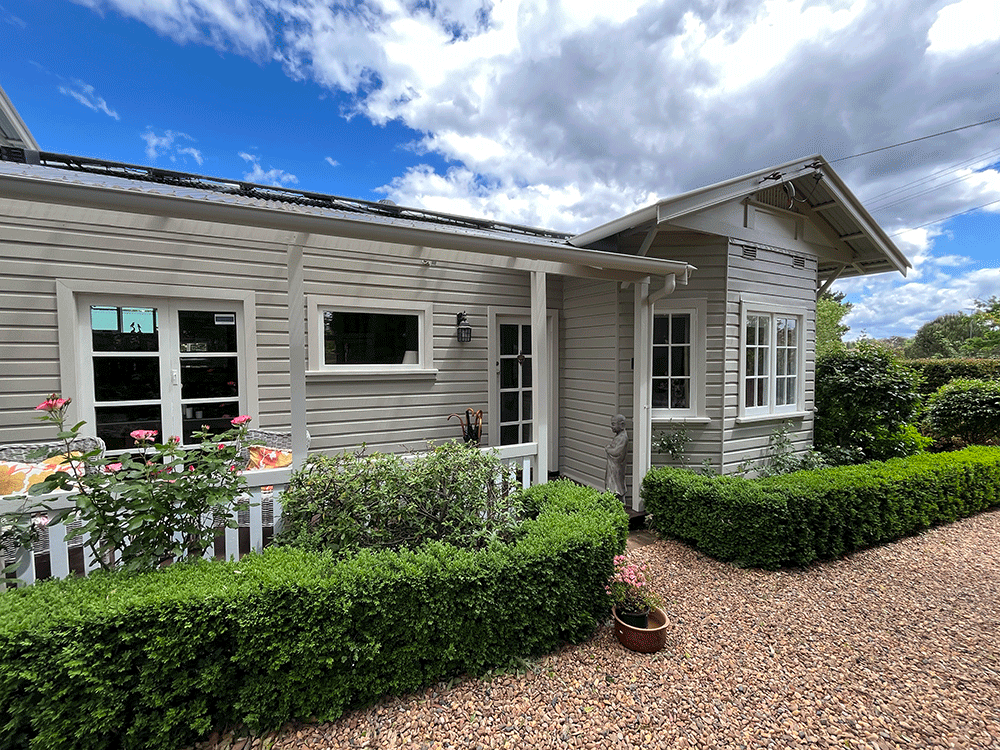
Humidity plays a major role in paint performance.
The Blue Mountains often experiences cool nights followed by morning dew. Moisture may sit on surfaces for hours after sunrise, particularly in shaded areas or heavily treed environments.
If paint is applied while humidity is excessive or when surfaces contain invisible moisture, several issues can occur:
• Poor adhesion.
• Extended drying times.
• Surfactant leaching.
• Loss of sheen.
• Reduced durability.
• Early blistering.
Even experienced painters must carefully monitor conditions before commencing work. Dry weather does not necessarily mean the substrate is dry enough to paint.
Winter painting presents its own challenges.
Most paint manufacturers specify minimum application temperatures, often around 10°C, although this varies between products. Equally important is ensuring temperatures remain above the recommended minimum during curing.
In the Blue Mountains, overnight temperatures can drop dramatically.This is why experienced painters often adjust their schedules seasonally, starting later in the morning during winter and selecting suitable weather windows.
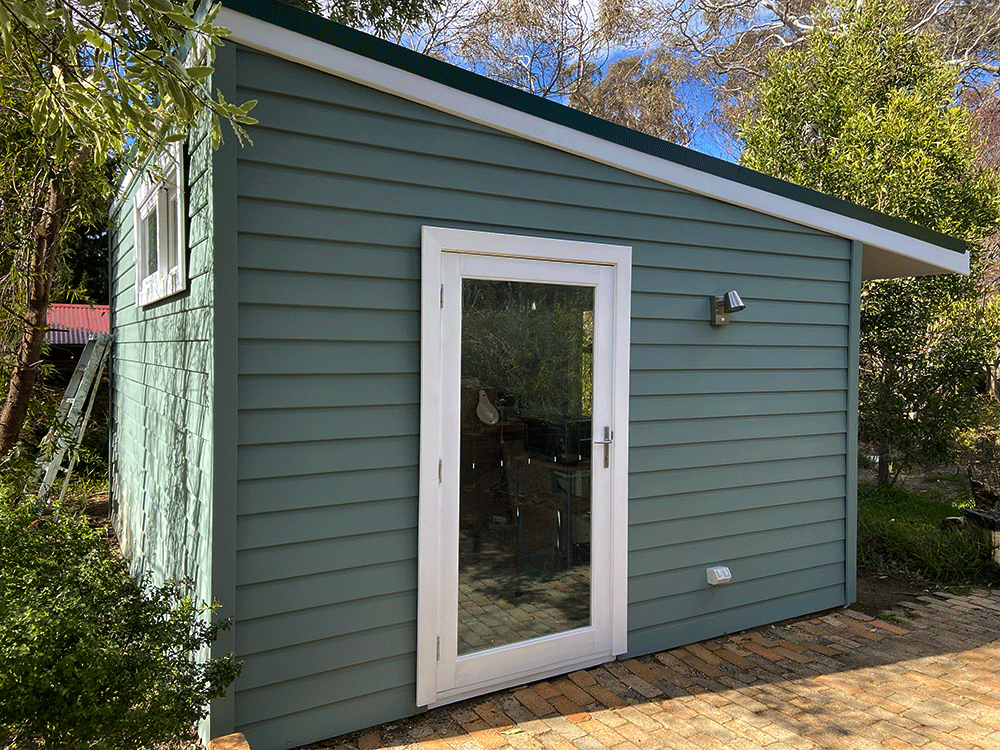
While winter brings cold, Blue Mountains summers can produce surprisingly hot surface temperatures.
Timber weatherboards, fibre cement cladding and metal surfaces continually expand and contract as temperatures change.
This movement places stress on the paint film.
Over time, repeated cycles of expansion and contraction can cause:
• Cracking.
• Splitting.
• Joint failure.
• Loss of adhesion.
• Peeling at board edges.
The wrong paint system, insufficient film build or poor preparation can accelerate these problems.

Perhaps the most misunderstood cause of paint failure is hidden moisture within the building itself.
Many homeowners assume peeling paint means poor quality paint. However, moisture originating from inside the structure can push coatings away from the substrate.
Sources include:
• Plumbing leaks.
• Roof leaks.
• Inadequate subfloor ventilation.
• Bathroom exhaust failures.
• Poor wall cavity ventilation.
• Condensation within insulated walls.
• Ground moisture beneath older homes.
Painting over these issues without identifying the cause usually leads to recurring failure.
The moisture problem must be resolved before repainting can be successful.
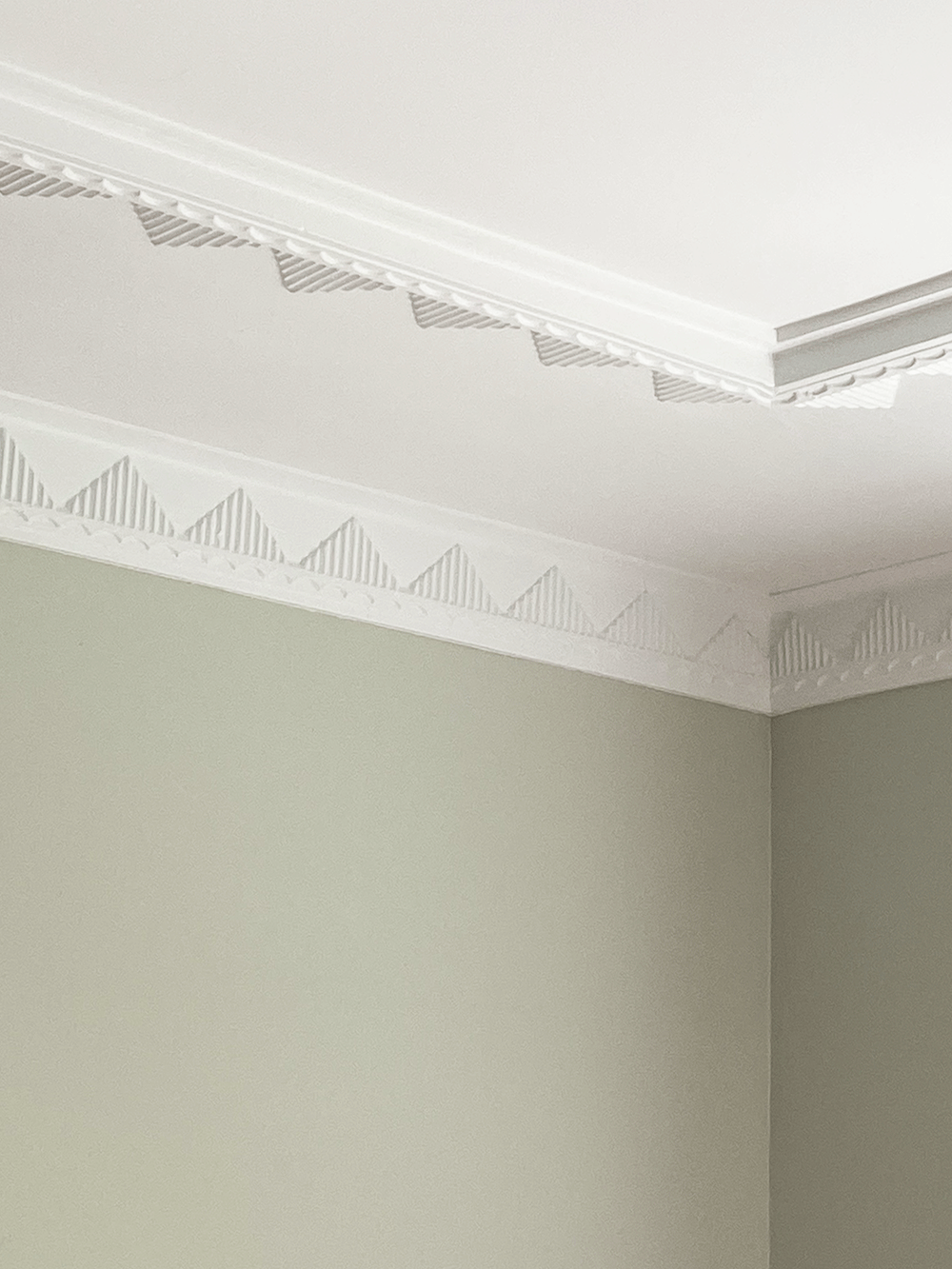
Paint systems are only as strong as the layers beneath them.
Many older Blue Mountains homes have been painted numerous times over several decades. Each layer contributes to the overall performance of the system.
Common issues include:
• Painting over loose or flaking coatings.
• Insufficient scraping and sanding.
• Failure to feather edges.
• Incompatible paint types.
• Excessive paint build-up.
• Applying acrylic over unstable substrates.
• Painting over chalky surfaces without sealing.
When one layer fails, everything above it is compromised.
A beautiful new topcoat cannot compensate for an unstable foundation.
Preparation is often the least visible part of a painting project, yet it determines much of the long-term outcome.
Proper preparation may include:
• Moisture testing.
• Washing surfaces.
• Removing mould and contaminants.
• Scraping loose paint.
• Sanding transitions.
• Filling defects.
• Replacing damaged timber.
• Priming bare substrates.
• Sealing vulnerable areas.
• Using appropriate undercoats.
These steps require time, experience and judgement.
Unfortunately, shortcuts are sometimes taken in an effort to reduce costs or complete projects quickly. While freshly applied paint may initially look impressive, inadequate preparation often reveals itself within a few seasons.